DICOM Miniproject
Python program for writing information into Dicom files
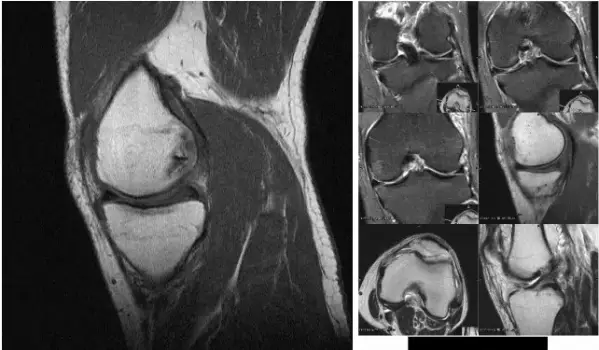
A Python-based tool for writing metadata into DICOM files while adhering to strict medical imaging standards.
🧠 Project Overview
This project was a hands-on introduction to working with DICOM (Digital Imaging and Communications in Medicine) files — a widely adopted standard in the field of medical imaging. The goal was to create a lightweight Python script that could insert or update metadata inside existing DICOM files, such as patient information, study descriptions, or modality details.
🎯 Objectives
- Learn how to programmatically read and write DICOM metadata.
- Understand the structure and compliance rules of DICOM standards.
- Gain experience in handling real medical data formats used in hospitals and research centers.
🛠️ Technologies Used
- Python
- pydicom: A powerful Python library for parsing and modifying DICOM files.
- DICOM standard documentation: Used to ensure compliance with required tag formatting and encoding rules.
⚙️ Key Features
- Load and inspect DICOM headers.
- Modify or insert fields like:
- Patient Name
- Study Date
- Institution Name
- Custom Notes or Identifiers
- Save updated files while preserving image data integrity.
🚀 What I Learned
- How DICOM files structure both image data and metadata within standardized tag-based formats.
- The critical importance of data integrity and privacy in medical applications.
- Practical use of
pydicomto manipulate sensitive data safely and accurately. - The role of standards compliance in interoperability between medical systems (e.g. PACS).
💬 Final Thoughts
Even though this was a small-scale project, it laid the foundation for understanding how medical imaging systems store and manage patient data. This kind of tool can serve as a building block for larger applications like anonymization pipelines, research databases, or clinical workflow automation.