Beacons
BEACON miniproject that can detect device proximity
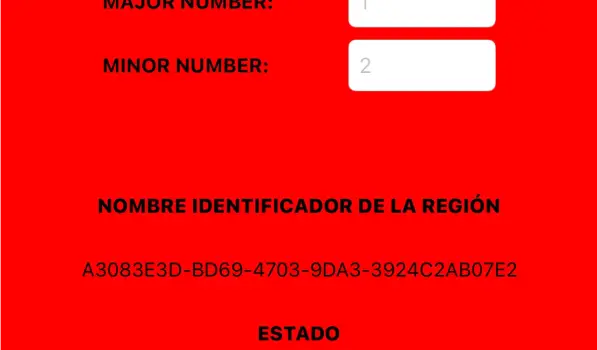
A mini-project that explores Bluetooth beacon technology to detect nearby devices and enable proximity-based interactions.
🧠 Project Overview
This project was developed as a Master's mini-assignment but is worth highlighting due to the growing relevance of beacon technology in real-world applications. Beacons are especially useful in indoor environments where GPS is less effective—such as museums, shopping malls, or hospitals—providing contextual information or triggering events based on user proximity.
📍 How It Works
The app was designed to:
- Detect BLE (Bluetooth Low Energy) beacons in the surrounding area.
- Identify the proximity and signal strength of each beacon.
- Trigger simple actions or notifications based on closeness (e.g., entering or leaving a defined radius).
Although the logic and interaction were kept simple, the core functionality demonstrated the potential of beacon-driven user experiences.
🛠️ Technologies Used
- Core Location (iOS): For ranging and monitoring iBeacons.
- Bluetooth LE (BLE): For communication with nearby devices.
- Swift: For the entire iOS development process.
- Xcode Simulators + Beacon Emulators: Used for testing signal strength and behavior without physical hardware.
🚀 What Did I Learn?
- How to detect and interact with BLE devices using native iOS tools.
- The differences between ranging and monitoring in beacon tracking.
- Basic concepts of indoor positioning systems (IPS).
- How to handle background updates and power efficiency when scanning for beacons.
🎯 Final Thoughts
Even though this was a small-scale project, it opened the door to countless possibilities with location-aware mobile experiences. From interactive museum guides to indoor navigation and retail engagement systems, this project forms a solid foundation for future developments involving beacons and proximity technology.